
In a digital-first economy, software architecture has become a core business strategy rather than a purely technical concern. Organizations that scale successfully do so by designing systems that adapt quickly, handle growth efficiently, and remain resilient under pressure. Modern software architecture provides the structural foundation that makes this possible.
Understanding Modern Software Architecture
Modern software architecture refers to flexible, distributed, and cloud-oriented system designs that prioritize scalability, reliability, and rapid change. Unlike traditional monolithic systems, these architectures are built to evolve continuously without disrupting business operations.
Key characteristics include:
- Loose coupling between components
- Independent deployment of services
- Automated infrastructure management
- High fault tolerance
These principles allow businesses to grow without being constrained by their technology stack.
The Shift From Monoliths to Modular Systems
Legacy monolithic applications bundle all functionality into a single codebase. While simple to start with, they become difficult to scale and maintain over time.
Modern architectures replace this rigidity with modular approaches such as:
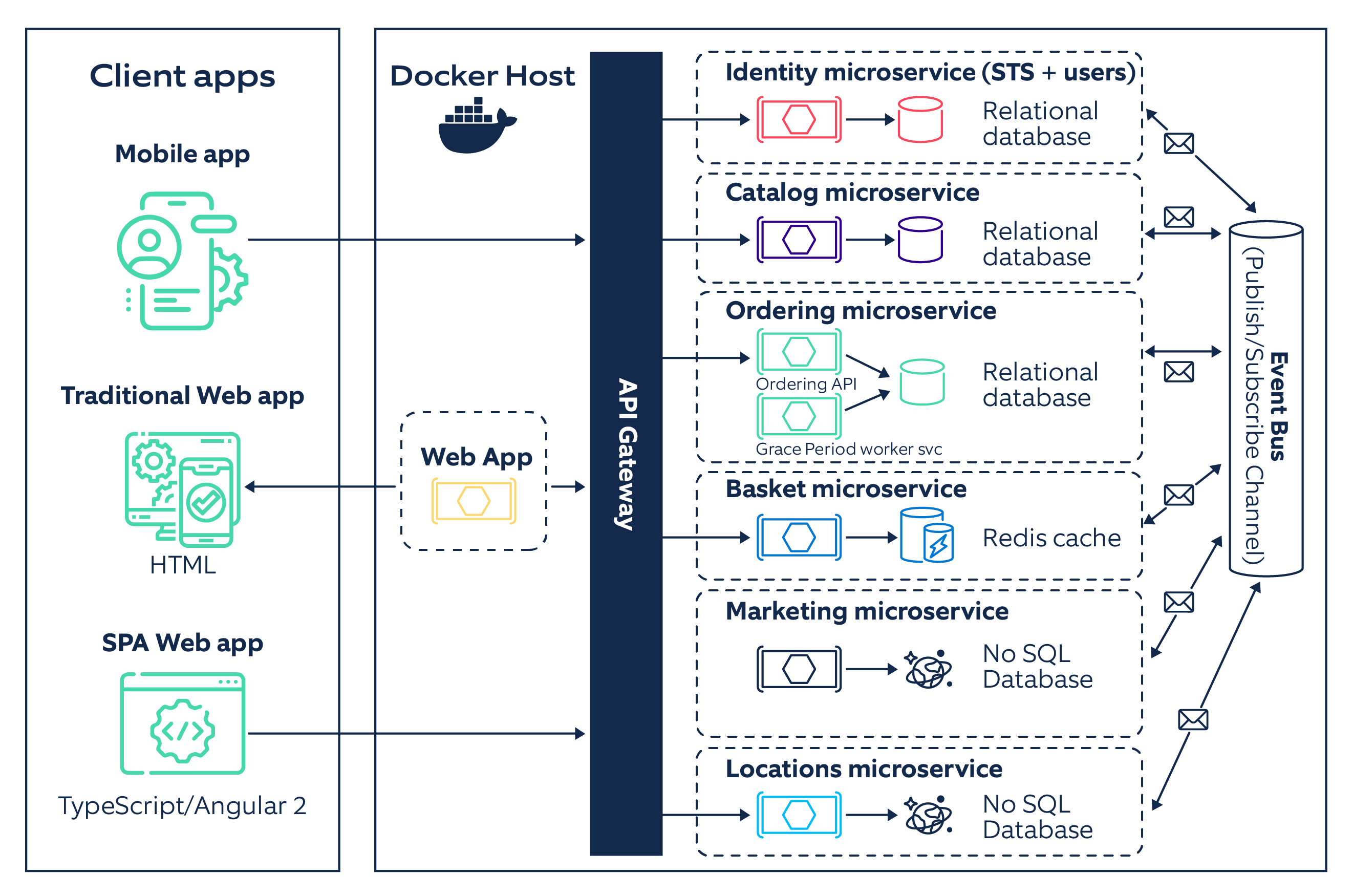
- Microservices, where each service performs a specific business function
- Service-oriented architectures, enabling reuse and interoperability
- Event-driven systems, allowing real-time responsiveness
This shift reduces technical bottlenecks and aligns software growth with business expansion.
Scalability as a Built-In Capability
Scalability is no longer an afterthought. Modern architectures are designed to scale horizontally and automatically, responding to demand without manual intervention.
Benefits include:
- Elastic resource allocation during traffic spikes
- Cost optimization through pay-as-you-use infrastructure
- Consistent performance across global markets
By embedding scalability into the architecture, businesses avoid costly redesigns as they grow.
Cloud-Native Architecture and Business Agility
Cloud-native architecture plays a central role in modern scalability strategies. Applications are built specifically to run in cloud environments, leveraging managed services and automation.
Core cloud-native components:
- Containers for consistent application deployment
- Orchestration platforms to manage workloads
- Managed databases and messaging systems
This approach enables faster experimentation, quicker releases, and improved time-to-market.

Reliability and Resilience at Scale
As businesses scale, system failures become more costly. Modern software architecture emphasizes resilience by design.
Common resilience strategies include:
- Redundancy across services and regions
- Graceful degradation instead of full outages
- Automated monitoring and self-healing mechanisms
These practices ensure that growth does not compromise system stability or customer trust.
Faster Innovation Through Independent Teams
Modern architectures support team autonomy. When systems are divided into independent components, teams can work, test, and deploy without blocking one another.
This results in:
- Shorter development cycles
- Reduced deployment risk
- Continuous innovation aligned with business goals
Scalable businesses often mirror their organizational structure to their software architecture, enabling faster decision-making.
Data-Driven Scalability and Performance Insights
Modern systems generate rich operational data. Architecture patterns now integrate observability as a first-class concern.
This includes:
- Centralized logging
- Distributed tracing
- Real-time performance metrics
Access to these insights allows businesses to scale proactively rather than reactively.
Security Embedded Into the Architecture
As systems grow more distributed, security must be architected from the ground up.
Modern software architectures incorporate:
- Zero-trust security models
- Fine-grained access controls
- Automated compliance checks
This ensures scalability does not introduce unacceptable risk.
Business Impact of Modern Software Architecture
When executed well, modern software architecture delivers measurable business value:
- Faster market expansion
- Lower operational overhead
- Improved customer experience
- Long-term technology sustainability
Scalable businesses succeed not by adding more software, but by designing smarter systems.
Frequently Asked Questions
What industries benefit most from modern software architecture?
Industries with rapid growth or variable demand, such as e-commerce, fintech, healthcare technology, and SaaS, gain the most value from modern architectures.
Is modern software architecture only relevant for large enterprises?
No. Startups and small businesses benefit significantly by avoiding early technical debt and building scalable foundations from day one.
How long does it take to transition to a modern architecture?
The timeline varies based on system complexity, but many organizations adopt incremental approaches that deliver value within months.
Does modern architecture increase operational complexity?
While distributed systems introduce complexity, automation and managed services significantly reduce manual overhead in the long term.
How does modern architecture support global expansion?
It enables geographic distribution of services, localized performance optimization, and compliance with regional regulations.
What role does automation play in scalability?
Automation handles infrastructure provisioning, scaling, monitoring, and recovery, allowing systems to grow without proportional increases in staff.
Can legacy systems coexist with modern architecture?
Yes. Many businesses use hybrid models, gradually modernizing critical components while maintaining legacy systems where necessary.