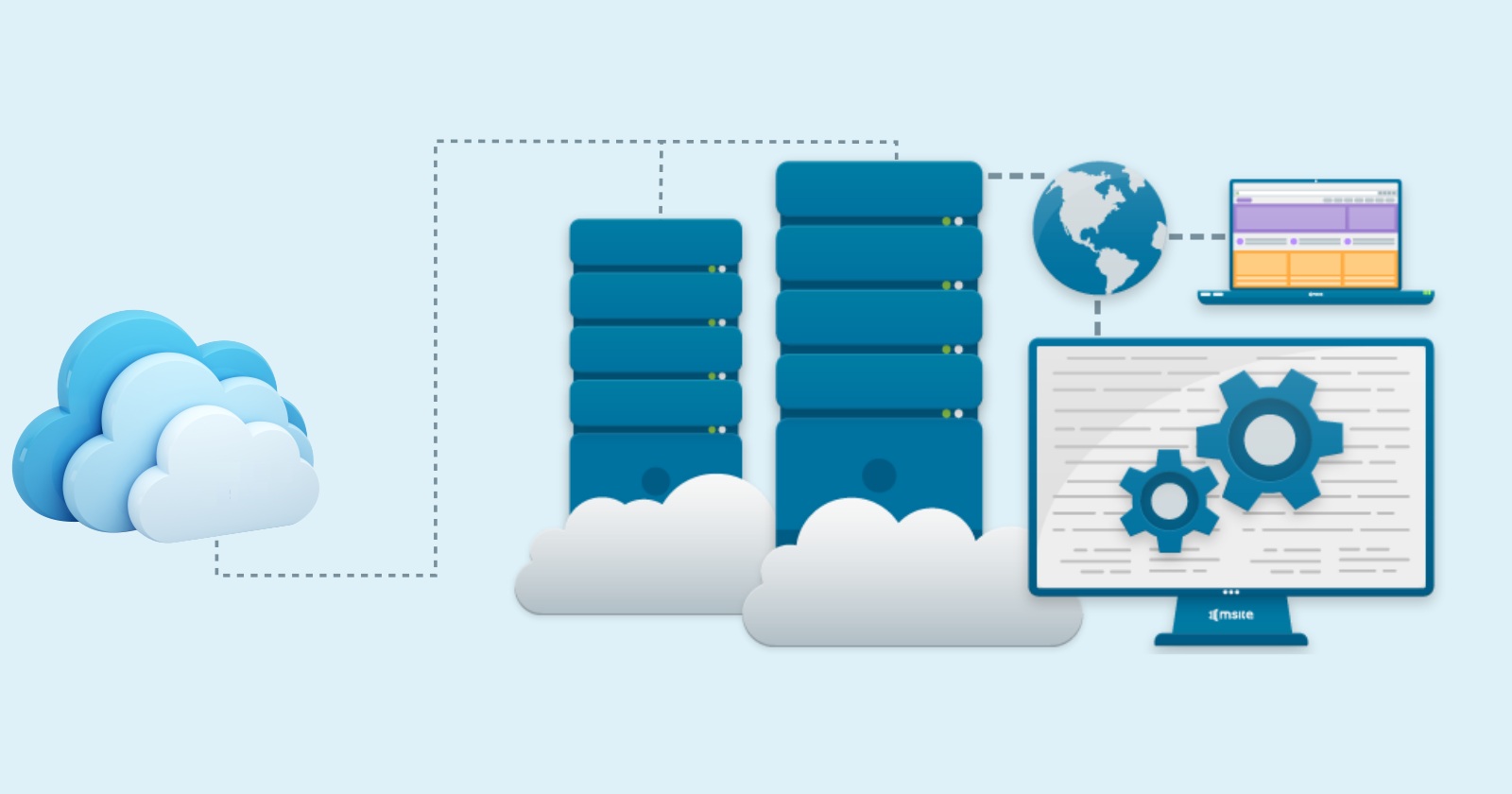
The modern digital ecosystem relies entirely on interconnected systems. When a user checks flight availability, splits a restaurant bill through a mobile application, or verifies a shipping tracking number, multiple backend systems collaborate behind the scenes. This machine-to-machine communication relies fundamentally on web services.
Understanding how these systems communicate sheds light on how enterprise software, cloud computing, and mobile applications operate at scale. By standardizing data exchange, web services remove the traditional barriers that separated software built on different platforms or written in competing programming languages.
The Evolution of Distributed Software Integration
Before the widespread adoption of standardized web services, integrating disparate software systems was a complex, expensive, and brittle endeavor. Organizations relied on proprietary protocols and custom file transfers, meaning every single integration required bespoke coding. If a company updated its internal database schema, all connected partner systems broke instantly.
The introduction of web services changed this dynamic by establishing universal protocols for communication over standard network layers. Instead of forcing developers to understand proprietary binary formats, web services allowed systems to speak a common language. This shift enabled the rise of service-oriented architectures, paving the way for today’s hyper-connected cloud platforms and microservices.
Defining Characteristics of Web Services
A web service is fundamentally a software component designed to interact with other software programs over a network. Unlike standard websites intended for human interaction via graphical user interfaces, web services operate invisibly to process data requests and return machine-readable results.
-
Network Accessibility: Web services are hosted on networked servers and accessible remotely, typically via standard internet protocols.
-
Standardized Messaging: They use defined formats like JSON or XML to package requests and responses, ensuring compatibility across different operating systems.
-
Platform Independence: A web service built using Java on a Linux server can be consumed seamlessly by a client application written in Swift running on an iOS device.
-
Encapsulation of Business Logic: They hide complex backend operations behind a clean, uniform interface, exposing only the necessary functional endpoints.
Comparing SOAP and REST Paradigms
When designing web services, engineers typically choose between two dominant architectural styles: SOAP and REST. Each design philosophy brings distinct trade-offs regarding performance, strictness, and complexity.
The Rigid Nature of SOAP
Simple Object Access Protocol is a standards-based messaging protocol that enforces strict rules for data exchange. It relies heavily on XML for message formatting and operates over various transport protocols like HTTP, SMTP, or TCP.
-
Built-In Security: SOAP includes robust enterprise security features through WS-Security standards, making it a preferred choice for financial institutions and government agencies.
-
Transactional Reliability: It supports ACID-compliant transactions, ensuring that complex operations either complete entirely or roll back safely if an error occurs.
-
High Overhead: The strict XML structure and extensive protocol specifications make SOAP heavier and slower, requiring more bandwidth and processing power than alternative methods.
The Lightweight Flexibility of REST
Representational State Transfer is an architectural style rather than a strict protocol. RESTful services leverage standard HTTP methods to manage resources identified by unique uniform resource identifiers.
-
Stateless Design: Every request contains all necessary context, preventing the server from needing to store session state and improving horizontal scalability.
-
Format Versatility: While JSON is the most common data format for REST APIs due to its lightweight structure, these services can also return XML, plain text, or media files.
-
Direct Alignment with HTTP: By utilizing standard verbs like GET for retrieval, POST for creation, PUT for updates, and DELETE for removal, REST maps naturally to web architecture.
Performance and Scalability Dynamics
Deploying web services at scale requires careful consideration of performance bottlenecks, network latency, and infrastructure load. Because web services introduce an abstraction layer between the user interface and the database, optimization becomes critical for high-traffic environments.
Caching plays a massive role in reducing server load. For read-heavy web services, implementing caching strategies at the API gateway level ensures that frequently requested data is served instantly without querying primary databases. Furthermore, asynchronous processing handles long-running tasks efficiently. Instead of making a client wait for a heavy computation to finish, the web service accepts the request, returns an immediate acknowledgment, and processes the task in the background using message queues.
Enterprise Deployment and API Management
As organizations scale their software infrastructure, managing dozens or hundreds of web services becomes a significant operational challenge. Modern enterprises utilize dedicated API management platforms to monitor, secure, and monetize their web service endpoints.
-
Centralized Gateways: API gateways act as the single entry point for all incoming client requests, handling routing, load balancing, and SSL termination.
-
Analytics and Monitoring: Engineering teams track latency metrics, error rates, and traffic spikes to ensure high availability and rapid incident response.
-
Developer Portals: Organizations publish documentation, code snippets, and interactive testing consoles to help internal and external developers integrate their web services smoothly.
Frequently Asked Questions
What role do web services play in microservices architecture?
Microservices architecture breaks large applications into small, independent services that each run a unique business capability. Web services provide the communication glue that allows these independent microservices to talk to each other securely over internal networks.
How do developers handle web service failures during network outages?
Developers implement resilience patterns such as circuit breakers, retries with exponential backoff, and graceful degradation. These techniques prevent cascading failures across distributed systems when a dependent web service becomes temporarily unreachable.
What is the purpose of an API schema definition file?
Schema definition files, such as OpenAPI specifications, provide a machine-readable description of a web service endpoints, expected request parameters, and response formats. They streamline development by automatically generating client SDKs and documentation.
Can web services support real-time data streaming?
Traditional web services operate on a request-and-response model. However, modern implementations use technologies like WebSockets, Server-Sent Events, or gRPC streaming to maintain persistent connections for real-time data feeds like stock tickers or chat applications.
Why is API versioning critical for long-term maintenance?
When a web service needs to modify its data structure or deprecate old fields, changing it directly can break client applications. API versioning allows developers to introduce new features in a separate endpoint path while keeping legacy versions functional during a transition period.
How does web service virtualization help testing teams?
Web service virtualization simulates the behavior of complex or third-party backend systems that might be unavailable, costly, or unstable during the testing phase, allowing quality assurance engineers to test edge cases reliably.