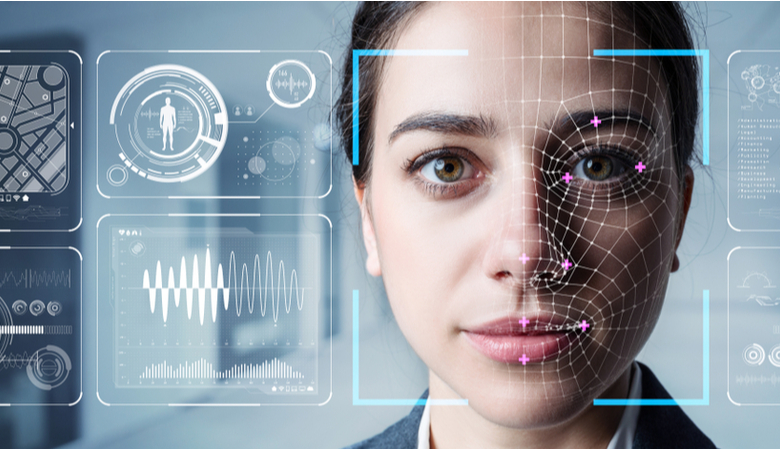
Biometric security has transformed from science fiction into a cornerstone of modern digital and physical safety measures. Among various biometric modalities, facial recognition stands out due to its non-intrusive nature, speed, and capability to process identities from a distance. Organizations across the globe rely on facial analysis to control physical access, protect sensitive digital assets, and monitor public spaces for potential threats. Understanding how this technology functions beneath the surface reveals a sophisticated blend of computer vision, machine learning, and advanced cryptography designed to keep unauthorized users out while maintaining system integrity.
The Core Mechanics of Facial Recognition Systems
At its foundation, facial recognition is a biometric technology that uses unique physiological characteristics to identify or verify a person. The security implementation begins the moment a camera captures a visual representation of an individual. Unlike traditional security measures that rely on something you know like a password or something you have like a key card, facial recognition relies entirely on who you are.
The process follows a precise sequence of computational steps. First, the system performs face detection, isolating a human face from a cluttered background or a complex environment. Once located, the algorithm maps facial geometry. This involves identifying key nodal points, such as the distance between the eyes, the depth of the eye sockets, the shape of the cheekbones, and the contour of the jawline.
After extracting these distinct features, the system converts the visual data into a mathematical formula or numerical code known as a facial template. This template is then compared against a pre-registered database of authorized profiles. If the numerical values align within an acceptable statistical confidence threshold, the system grants access or verifies the identity.
Access Control and Physical Security Applications
Physical security systems heavily leverage facial recognition to secure sensitive environments without introducing friction for authorized personnel. Traditional physical keys can be lost or stolen, and access cards can be borrowed or cloned. A face, however, remains constantly tied to the individual.
-
Corporate Office Buildings: Modern enterprise facilities utilize facial recognition at turnstiles and elevators, allowing employees to enter secure work areas simply by walking past a scanning device.
-
Data Centers and Server Rooms: High-security zones housing critical IT infrastructure demand rigorous authentication. Facial recognition adds a vital layer of multi-factor security, ensuring that only certified technicians can step inside server halls.
-
Border Control and Aviation: International airports deploy automated border control e-gates that scan a traveler’s face and compare it against passport data chips, drastically reducing wait times while improving border security accuracy.
Digital Device Security and Remote Authentication
Beyond physical infrastructure, facial recognition plays an indispensable role in securing personal electronics and remote software applications. The proliferation of mobile devices equipped with advanced front-facing cameras and infrared sensors has made biometric unlocking the industry standard.
When a user attempts to unlock a smartphone or authorize a mobile banking transaction, the device projects thousands of invisible infrared dots onto the user’s face to create a precise three-dimensional depth map. This advanced capture method ensures that high-resolution photographs or video replays cannot trick the security system.
Furthermore, liveness detection algorithms analyze subtle physiological cues, such as micro-movements, skin texture, and infrared reflection, to verify that a living person is present in front of the lens. This multi-layered defense prevents attackers from bypassing digital security gates using synthetic masks or digital media.
Surveillance and Threat Detection in Public Spaces
In larger security contexts, facial recognition serves as an active monitoring tool in public spaces, transportation hubs, and large event venues. Security teams integrate automated video analytics with existing closed-circuit television networks to scan crowds in real time.
When cameras capture footage of a busy area, the software quickly extracts facial features from moving individuals and matches them against watchlists containing known fugitives, missing persons, or flagged security risks. If the system detects a positive match, it generates an immediate alert for security personnel or law enforcement agencies to intervene. This proactive capability allows security teams to mitigate threats before incidents occur, transforming passive video archives into active prevention tools.
Privacy Measures, Encryption, and Data Protection
Implementing facial recognition securely requires strict adherence to data privacy and protection standards. Because biometric data is deeply personal and immutable, storing raw photographs of individuals creates massive vulnerabilities in the event of a security breach.
To mitigate these risks, modern security architectures never store actual images of faces. Instead, systems discard the original photograph immediately after generating the mathematical template or vector hash. Even if malicious actors manage to compromise the database, they only retrieve scrambled numerical strings that cannot be reverse-engineered back into a human face. Additionally, administrators use robust end-to-end encryption protocols during data transmission and store templates within secure hardware enclaves, ensuring that unauthorized parties cannot intercept or tamper with biometric records.
Frequently Asked Questions
How do modern facial recognition systems handle individuals wearing eyeglasses or facial hair?
Advanced algorithms evaluate underlying skeletal structures and depth measurements rather than surface-level skin features alone. This allows systems to recognize users accurately even if they grow facial hair, change hairstyles, or wear non-tinted prescription glasses.
What happens to recognition accuracy in extremely low-light environments?
Standard red-green-blue cameras struggle in the dark, but modern security setups utilize infrared illumination and thermal imaging sensors. These technologies illuminate the target subject with invisible light, ensuring reliable identification in pitch-black conditions.
Can facial recognition algorithms differentiate between identical twins?
Differentiating identical twins presents a significant challenge because they share nearly identical genetic facial structures. High-security environments dealing with this edge case often require supplementary authentication factors, such as iris scanning or PIN codes, alongside facial verification.
How does camera angle and positioning affect system performance?
Extreme tilt, pitch, or yaw angles can obscure critical facial landmarks and reduce matching accuracy. Enterprise security cameras are strategically positioned at optimal heights and angles to capture a straight-on view of individuals as they pass through designated checkpoints.
Are facial templates legally classified as personally identifiable information?
Yes, regulatory frameworks around the world classify biometric templates as sensitive personal data. Consequently, organizations deploying these systems must comply with strict legal guidelines regarding user consent, data retention limits, and secure storage practices.
How do developers prevent unauthorized third parties from intercepting biometric data streams?
Engineers deploy secure communication tunnels using transport layer security encryption combined with mutual authentication between the capture device and the central server, ensuring that data packets remain unreadable during transit across the network.