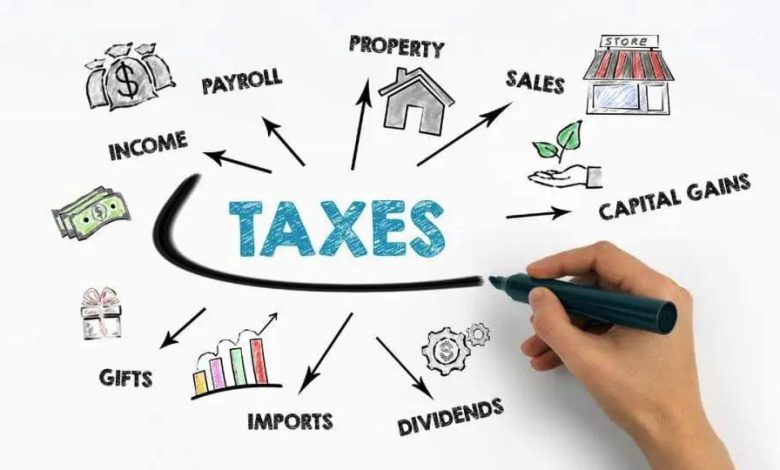
Tax-efficient investment planning is one of the most effective yet overlooked strategies for growing long-term wealth. Even strong investment returns can be weakened by unnecessary taxes, making tax efficiency a crucial part of smart financial planning. When you structure your investments to minimize tax drag, you keep more of your earnings—allowing your portfolio to grow faster and more consistently over time.
Why Tax Efficiency Matters
Every dollar lost to taxes is a dollar that can’t compound. By managing where you invest, when you withdraw, and how gains are realized, you can significantly increase your long-term returns.
Key Benefits of Tax-Efficient Investing
- Higher net investment returns
- Better portfolio longevity
- Greater flexibility in managing income during retirement
- Reduced tax burden on investment gains and withdrawals
Tax efficiency doesn’t replace good investing—it enhances it.
Understanding the Types of Investment Taxes
1. Capital Gains Tax
Capital gains occur when you sell an investment for more than you purchased it.
- Short-term gains (held < 1 year) are taxed as regular income.
- Long-term gains (held ≥ 1 year) usually receive lower tax rates.
Holding investments longer is one of the simplest tax-efficient strategies.
2. Dividend Taxes
Dividends may be taxed at:
- Ordinary income rates (non-qualified dividends)
- Lower rates (qualified dividends)
Understanding which dividends your investments generate can affect your tax strategy.
3. Interest Income
Interest from bonds, savings accounts, or CDs is taxed as ordinary income.
Tax-advantaged bonds—like municipal bonds—can reduce or eliminate federal taxes.
The Most Powerful Tax-Efficient Investment Accounts
Tax-Deferred Accounts
These accounts allow your money to grow without taxes until withdrawal.
Examples include:
- 401(k)
- Traditional IRA
- 403(b)
Advantages:
- Lower taxable income today
- Tax-deferred compounding
- Ideal for high-income earners
Tax-Free Accounts
These accounts allow tax-free growth and tax-free withdrawals in retirement.
Examples include:
- Roth IRA
- Roth 401(k)
Advantages:
- No taxes on growth
- No taxes upon withdrawal
- No required minimum distributions for Roth IRAs
Taxable Brokerage Accounts
Although not tax-advantaged, these offer flexibility when managed strategically.
Best uses include:
- Long-term investments to capture lower capital gains rates
- Tax-loss harvesting
- Holding tax-efficient funds like index funds and ETFs
Smart Strategies for Tax-Efficient Investing
1. Asset Location
Place investments in accounts based on their tax characteristics.
- Tax-Deferred Accounts: Bonds, REITs, actively traded funds
- Tax-Free Accounts: High-growth stocks or ETFs
- Taxable Accounts: Index funds, municipal bonds, long-term holdings
Strategic asset placement can significantly reduce your annual tax bill.
2. Tax-Loss Harvesting
Selling losing investments to offset gains is a powerful method to reduce taxes.
It also allows you to reinvest at lower prices, keeping your portfolio on track.
3. Holding Investments Longer
By holding assets for more than a year, you gain access to lower long-term capital gains tax rates.
This strategy also encourages disciplined, long-term investing.
4. Choosing Tax-Efficient Funds
Index funds and ETFs generate fewer taxable events compared to actively managed funds, helping you minimize annual taxes.
5. Managing Withdrawals in Retirement
A well-planned withdrawal strategy helps balance taxes and income needs.
A common approach is:
- Withdrawal from taxable accounts first
- Then tax-deferred accounts
- Roth accounts last to maximize tax-free compounding
How Tax Efficiency Supports Retirement Goals
Tax-efficient planning doesn’t just improve returns—it protects your income during retirement.
By reducing taxes on your investments and withdrawals, you can:
- Extend your retirement savings
- Reduce the tax burden on required minimum distributions
- Increase flexibility in budgeting and spending
This makes tax efficiency a long-term strategy that benefits you well beyond your working years.
FAQs
1. Is tax-efficient investing only for wealthy individuals?
No. Anyone who invests can benefit from reducing their tax burden, regardless of income or portfolio size.
2. Which is better for tax efficiency: a Roth IRA or a Traditional IRA?
It depends on your tax bracket now versus retirement. Roth IRAs benefit those expecting higher taxes later, while Traditional IRAs reduce taxes today.
3. Are index funds really more tax-efficient than mutual funds?
Yes, index funds tend to have lower turnover, which means fewer taxable capital gains.
4. How often should I rebalance for tax efficiency?
Once or twice per year is usually enough, but always consider tax implications before making changes in taxable accounts.
5. Is tax-loss harvesting risky?
No. When done correctly, it simply helps offset gains without changing your long-term investment strategy.
6. Can municipal bonds help reduce taxes?
Yes. Municipal bonds often offer tax-free interest at the federal level, and sometimes at the state level as well.
7. Should I work with a financial planner for tax-efficient investing?
A professional can help optimize strategies, especially for complex portfolios, but many tax-efficient methods can be applied independently.
If you’d like, I can also create a personalized tax-efficient investment plan, provide comparison charts, or turn this article into a downloadable PDF.