Modern vehicles are designed to be reliable, but they still communicate when something is wrong. Ignoring early car repair warning signs can turn minor issues into expensive breakdowns—or even dangerous situations. Paying attention to these signals helps protect your safety, saves money, and extends the life of your vehicle.
Below are the most critical warning signs no driver should ever dismiss.
Dashboard Warning Lights That Stay On
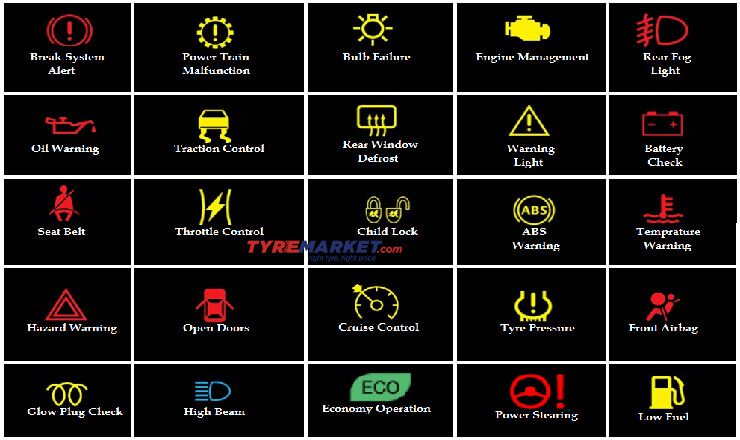
Dashboard lights are not suggestions—they are alerts from your vehicle’s onboard system. While some lights briefly appear during startup, any light that remains illuminated needs attention.
Common warning lights to watch closely include:
- Check engine light (steady or flashing)
- Brake system warning light
- Battery or charging system light
- Oil pressure warning light
A flashing light usually indicates an urgent problem that requires immediate inspection.
Unusual Noises While Driving
Cars naturally make noise, but new or abnormal sounds often signal mechanical trouble.
Pay attention to:
- Squealing or grinding when braking
- Knocking or pinging from the engine
- Whining or humming during acceleration
- Clunking sounds over bumps
These noises can point to worn brakes, engine damage, transmission issues, or suspension problems.
Smoke or Steam Coming From the Vehicle
Smoke or steam is one of the clearest signs that something is wrong. The color often provides clues about the issue.
- White steam may indicate engine overheating or coolant leaks
- Blue smoke suggests burning oil
- Black smoke points to excess fuel consumption
Any visible smoke should be treated as urgent and checked immediately.
Fluid Leaks Under the Car
Finding liquid under your parked car is never a good sign. Different fluids indicate different problems.
Common vehicle fluid leaks include:
- Oil (dark brown or black)
- Coolant (green, orange, or pink)
- Transmission fluid (red or pink)
- Brake fluid (clear to yellowish)
Driving with low fluid levels can cause severe mechanical damage or system failure.
Burning Smells or Strong Odors
Unusual smells are another warning your car should not be ignored.
- Burning rubber may indicate slipping belts or hoses
- Burning oil often points to leaks onto hot engine parts
- Electrical burning smells could signal wiring issues
- Rotten egg smell may indicate catalytic converter problems
If a smell is persistent or strong, stop driving and have the vehicle inspected.
Difficulty Starting or Frequent Stalling
If your car struggles to start, stalls unexpectedly, or shuts off while driving, the problem could involve the battery, fuel system, ignition system, or sensors.
Warning signs include:
- Slow or repeated cranking
- Engine cutting out at stops
- Loss of power while driving
These issues can worsen quickly if ignored.
Overheating or Rising Temperature Gauge
An overheating engine is a serious warning sign. High engine temperatures can cause permanent damage within minutes.
Common causes include:
- Coolant leaks
- Faulty thermostat
- Broken radiator fan
- Water pump failure
If the temperature gauge rises suddenly, pull over safely and turn off the engine.
Vibrations, Pulling, or Poor Handling
Changes in how your car feels on the road often indicate mechanical or alignment issues.
- Steering wheel vibration may signal tire imbalance
- Pulling to one side can indicate brake or alignment problems
- Shaking at high speeds often points to worn suspension components
Handling issues reduce control and increase accident risk.
Conclusion
Your car communicates through lights, sounds, smells, and performance changes. Ignoring these car repair warning signs can compromise safety and lead to costly repairs. Addressing problems early not only protects your vehicle but also ensures a smoother, safer driving experience.
Listening to your car is one of the smartest habits a driver can develop.
Frequently Asked Questions (FAQs)
1. How long can I drive with a warning light on?
It depends on the light, but driving too long can worsen the issue. Warning lights should always be checked as soon as possible.
2. Are warning signs always expensive to fix?
No. Many issues are inexpensive when caught early but become costly if ignored.
3. Should I stop driving immediately if my car smells strange?
If the smell is strong, burning, or unusual, it’s safest to stop driving and seek professional help.
4. Can weather conditions trigger warning lights?
Yes. Extreme heat or cold can affect batteries, sensors, and fluid levels, sometimes triggering alerts.
5. Is it safe to drive with minor vibrations?
Even minor vibrations can indicate underlying problems and should be inspected before they worsen.
6. Do newer cars give more warning signs than older cars?
Yes. Modern vehicles have advanced sensors that detect issues earlier than older models.
7. How often should I have my car inspected to avoid major repairs?
A professional inspection at least once a year or during regular service intervals helps prevent unexpected failures.