How Fitness Technology and Wearables Are Changing the Way Singaporeans Track Their Les Mills GRIT Workouts

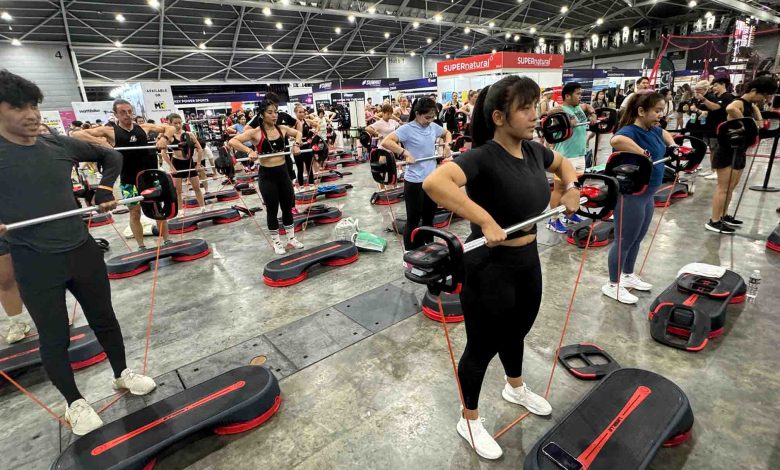
Singapore consistently ranks among the most technologically advanced nations in the world. Its population is highly connected, digitally literate, and quick to adopt new tools that offer practical improvements to daily life. It is no surprise, then, that the intersection of fitness and technology has become a significant part of how Singaporeans approach exercise. From GPS-enabled smartwatches to AI-powered coaching apps, the tools available to gym-goers today offer a depth of performance insight that was previously only accessible to elite athletes.
For those attending les mills singapore at True Fitness, fitness technology adds a compelling layer of personalisation to an already science-backed training programme. When you know your heart rate zones, track your caloric expenditure over time, and monitor recovery metrics between sessions, you train with far greater intelligence and intention than someone relying purely on feel.
The Rise of Wearable Technology in Singapore Gyms
Wearable fitness technology has gone from novelty to mainstream in a remarkably short time. In Singapore, where smartphone penetration is near universal and consumers are enthusiastic early adopters of consumer electronics, fitness wearables have become a common sight in gyms, parks, and on the MRT.
The current generation of fitness wearables goes far beyond simple step counting. Modern smartwatches and fitness bands can continuously monitor heart rate, estimate blood oxygen saturation, track sleep quality, detect stress levels through heart rate variability, count workout reps, and provide real-time performance feedback during training sessions. Some devices now incorporate GPS for outdoor activities, ECG functionality for cardiovascular health monitoring, and skin temperature sensors that contribute to more accurate menstrual cycle and recovery tracking.
For HIIT training specifically, heart rate monitoring is the most directly relevant capability. The fundamental principle of HIIT is working at a high percentage of maximum heart rate during intervals and recovering to a lower percentage during rest periods. Without knowing your actual heart rate, gauging whether you are truly working at the required intensity, or recovering adequately before the next interval, is largely guesswork.
Understanding Heart Rate Zones in the Context of GRIT
Heart rate zones provide a framework for understanding training intensity. While the exact zone definitions vary slightly between methodologies, a broadly accepted five-zone model works as follows.
Zone 1 represents 50 to 60 percent of maximum heart rate and is essentially active rest. Zone 2, at 60 to 70 percent, is the aerobic base zone where fat is the primary fuel source and endurance is built. Zone 3, at 70 to 80 percent, is a moderate aerobic effort. Zone 4, at 80 to 90 percent, is where high-intensity training begins, lactate accumulates, and cardiovascular adaptation is maximised. Zone 5, above 90 percent, is maximum effort and is only sustainable for very short periods.
A well-executed GRIT session should see participants spending significant time in Zones 4 and 5 during intervals, with recovery periods bringing the heart rate back towards Zone 2 or 3. Without a heart rate monitor, many people unknowingly train at a moderate intensity that feels challenging but does not reach the thresholds needed to drive the cardiovascular adaptations HIIT is designed to produce.
Wearing a heart rate monitor during GRIT classes gives you real-time confirmation that you are working hard enough during the intervals and recovering sufficiently during rest periods. Over time, you will notice that as your fitness improves, your heart rate during the same effort levels drops, and your recovery between intervals becomes faster. These are objective markers of cardiovascular improvement.
The Les Mills Plus Platform and Digital Programme Support
Les Mills has invested significantly in digital infrastructure to support its global community of participants. The Les Mills Plus platform provides on-demand access to LES MILLS classes, including GRIT workouts, allowing members to supplement their in-studio sessions with at-home training when schedules or travel make attending a class inconvenient.
The platform also provides educational content on training principles, nutrition, and recovery, giving participants a richer understanding of the science behind their workouts. For those who want to deepen their engagement with the programme beyond attending classes, this digital layer offers considerable value.
Integration between fitness wearables and platforms like this is increasingly seamless. Most major smartwatches and fitness trackers can sync workout data to health platforms, creating a comprehensive picture of training load, recovery, and progress over time.
AI-Powered Fitness Apps and Personalised Insights
Beyond wearables, AI-powered fitness applications are transforming how individuals plan and review their training. Apps that analyse patterns in workout data, sleep quality, recovery metrics, and subjective feedback can offer personalised recommendations on when to train hard, when to pull back, and what lifestyle factors may be affecting performance.
For Singaporean GRIT participants who are data-oriented, integrating wearable data with a coaching app adds a level of personalisation that enhances the structured class experience. Knowing that your recovery metrics indicate readiness for a high-intensity session versus a day when your heart rate variability suggests the body needs a lighter stimulus allows for smarter training decisions.
Some applications incorporate machine learning to identify patterns specific to the individual user. Over weeks and months of data collection, these tools become increasingly accurate at predicting performance and optimising training load. For competitive participants or those with specific body composition goals, this level of data-driven decision making can meaningfully accelerate progress.
Smart Equipment and Studio Technology
The evolution of fitness technology extends beyond wearables and apps. Smart gym equipment that tracks performance data, adjusts resistance automatically, and provides real-time feedback is becoming more prevalent in premium fitness facilities. While GRIT’s barbell and bodyweight format is less reliant on smart equipment than, say, indoor cycling or rowing, the broader technological environment of a modern facility enhances the training experience.
Studio screens displaying heart rate data for participants during class, for instance, add a motivational and informational dimension to the group experience. Seeing your heart rate in relation to your personal maximum, and comparing your effort zones to those of other class members, adds a competitive edge that many participants find highly motivating.
The integration of music technology is another dimension of the GRIT experience worth noting. The LES MILLS programme uses scientifically sequenced music that is specifically engineered to match training intensity throughout the session. The tempo, energy level, and emotional arc of the music are designed to drive performance during intervals and support recovery during rest periods. This is a sophisticated application of psychoacoustics to exercise, and it works in ways that even experienced gym-goers often find surprising.
Data Privacy Considerations for Singapore Users
Singapore’s Personal Data Protection Act sets clear standards for how organisations can collect, store, and use personal data, including the highly personal health and fitness data generated by wearables and fitness apps. Singaporean users should be aware of the data policies of the apps and platforms they use, particularly those that sync health data to cloud servers.
Major platforms from established technology companies generally comply with relevant data protection standards and offer users meaningful control over their data. Reviewing privacy settings, being selective about what data is shared with third parties, and using reputable platforms are sensible practices for anyone building a wearable-based fitness data ecosystem.
Balancing Technology With Intuitive Training
While fitness technology offers genuine benefits, it is worth maintaining perspective on its role. Technology is a tool, not a substitute for effort, consistency, and good coaching. Over-reliance on data can sometimes create anxiety, particularly when metrics fluctuate for reasons unrelated to fitness, such as sleep disruption from a young child, a stressful week at work, or the natural variability of heart rate variability measurements.
The best approach is to use technology to inform rather than dictate your training decisions. Data provides context and trend information that is valuable over weeks and months. On any given day, how you feel, the quality of your movement, and your engagement with the class matter as much as what the numbers say.
For GRIT participants at True Fitness Singapore, the instructor, the programme structure, and the community are the primary drivers of results. Technology amplifies and informs that experience. Used in that spirit, it is a valuable addition to any serious fitness pursuit.
FAQ
Q: Which heart rate monitor is most accurate for use during a GRIT barbell class?
A: Wrist-based optical heart rate monitors found in most smartwatches are convenient but can be less accurate during weightlifting movements due to wrist motion artefact. A chest strap heart rate monitor provides more accurate readings during resistance-based HIIT. Arm-band optical monitors positioned on the upper arm are a good compromise between accuracy and convenience.
Q: Can I use my Apple Watch or Garmin to track calories burned during GRIT?
A: Yes, most fitness wearables will estimate caloric expenditure during GRIT sessions using heart rate data combined with personal metrics like age, weight, and gender. These estimates are not perfectly precise but provide a useful relative measure for tracking training load over time.
Q: Is it worth paying extra for a premium fitness wearable if I am just doing group fitness classes?
A: For group HIIT classes specifically, a mid-range wearable with reliable heart rate monitoring is sufficient for most people. The marginal value of premium features like ECG and advanced recovery tracking is greater for more complex or multisport training scenarios. Buying the most capable wearable within your budget is a reasonable approach, with heart rate accuracy being the most important feature to prioritise.
Q: Do fitness tracking apps work well in Singapore?
A: Most major global fitness tracking apps, including Garmin Connect, Apple Health, Samsung Health, and Whoop, function fully in Singapore. Localisation features like map overlays for outdoor activities and integration with regional food databases vary, but core tracking features are fully functional.
Q: Can tracking my GRIT workouts digitally help me avoid overtraining?
A: Yes, this is one of the most valuable uses of training data. Tracking cumulative training load, monitoring recovery metrics like resting heart rate and heart rate variability over time, and maintaining a log of workout performance and subjective feel provides early warning signs of overtraining before it becomes a performance or health issue.