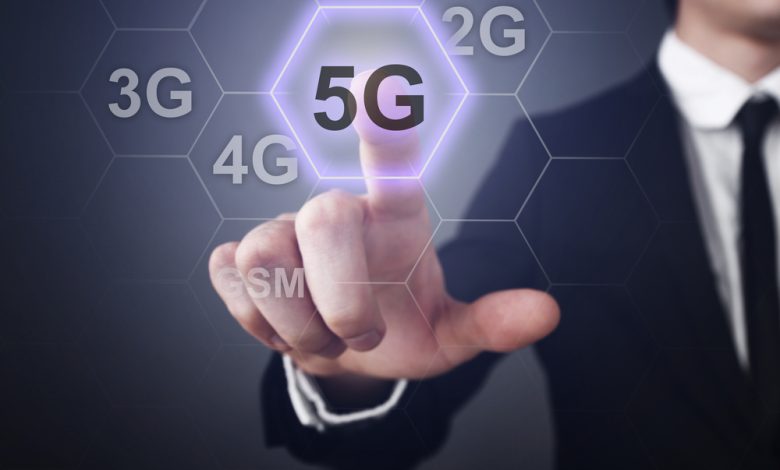
As technology continues to advance at a remarkable pace, the rollout of 5G networks marks a significant milestone in mobile connectivity. Promising faster speeds, lower latency, and greater capacity than its predecessor, 4G, 5G is set to transform the way consumers interact with technology, access information, and connect with one another. This article explores what the rise of 5G means for consumers, delving into its benefits, potential applications, and the challenges it may present.
Understanding 5G Technology
5G, or fifth-generation wireless technology, represents the latest advancement in mobile networks. It is designed to provide enhanced performance and connectivity, supporting a wider array of devices and applications than ever before. Here are some of its key features:
- Faster Speeds: 5G technology can deliver download speeds of up to 10 Gbps, significantly surpassing the maximum speeds of 4G, which top out around 1 Gbps. This increased speed enables quick downloads, smoother streaming, and more efficient data transfer.
- Lower Latency: Latency refers to the time it takes for data to travel from the source to the destination. 5G networks boast latency as low as 1 millisecond, making real-time communication and interactive applications more seamless.
- Greater Capacity: 5G networks can support a higher number of connected devices simultaneously. This is crucial as the Internet of Things (IoT) continues to expand, connecting everything from smart home devices to autonomous vehicles.
Benefits of 5G for Consumers
The rise of 5G brings several advantages that promise to enhance daily life for consumers:
1. Enhanced Mobile Experience
With the lightning-fast speeds of 5G, consumers can expect a significantly improved mobile experience. Streaming high-definition videos will become instantaneous, and online gaming will be smoother, with minimal lag. This enhanced experience will redefine how consumers engage with media, enabling more immersive and interactive content.
2. Improved Connectivity for Smart Devices
As the IoT continues to grow, 5G will facilitate better connectivity for smart devices. Consumers will benefit from enhanced performance in smart homes, where devices can communicate more effectively. Imagine controlling lights, security systems, and appliances seamlessly from your smartphone, with real-time updates and interactions.
3. Advancements in Telehealth
The healthcare industry stands to gain immensely from 5G technology. Remote consultations and telehealth services will be more efficient, allowing doctors to diagnose and treat patients in real time. High-resolution video calls and remote monitoring of health conditions will become more reliable, making healthcare more accessible, especially for those in rural or underserved areas.
4. Transforming Transportation and Mobility
5G technology will play a pivotal role in the development of smart transportation systems. With low latency and fast communication between vehicles and infrastructure, autonomous vehicles can operate more safely and efficiently. Consumers will benefit from improved traffic management, reduced congestion, and enhanced public transportation services.
5. New Opportunities for Augmented and Virtual Reality
The integration of 5G will drive advancements in augmented reality (AR) and virtual reality (VR) applications. From immersive gaming experiences to virtual training programs, consumers will have access to richer and more interactive content. This could redefine entertainment, education, and even shopping experiences, allowing consumers to engage with products and services in new and exciting ways.
Challenges and Considerations
While the rise of 5G presents numerous opportunities, it also brings challenges that consumers and stakeholders must consider:
1. Infrastructure Development
The successful rollout of 5G requires significant investment in infrastructure. This includes the installation of thousands of small cell towers to provide adequate coverage. While urban areas are likely to see quicker deployment, rural regions may experience delays in accessing 5G services.
2. Device Compatibility
To take full advantage of 5G networks, consumers will need compatible devices. As manufacturers begin to release 5G-enabled smartphones and devices, consumers may need to upgrade their technology to access the benefits of 5G. This transition could pose a financial burden for some.
3. Privacy and Security Concerns
With increased connectivity comes heightened concerns about privacy and security. As more devices become interconnected, the potential for data breaches and cyberattacks grows. Consumers will need to be vigilant about protecting their personal information and understanding how their data is being used.
4. Potential Health Concerns
The deployment of 5G has sparked discussions regarding potential health impacts from increased electromagnetic frequencies. While scientific studies have not established conclusive evidence of harm, ongoing research is essential to ensure consumer safety and address public concerns.
Looking Ahead: The Future of 5G
The rise of 5G is not just about faster internet; it represents a shift in how consumers interact with technology and each other. As 5G networks become more widely adopted, they will pave the way for innovations that enhance daily life, reshape industries, and foster new ways of connecting.
As consumers, embracing the potential of 5G requires awareness of its benefits and challenges. The future promises exciting advancements, and by staying informed, consumers can better navigate this transformative landscape. Whether it’s enjoying high-speed streaming, accessing telehealth services, or engaging with smart home devices, 5G is poised to enhance the consumer experience in ways that were once the stuff of science fiction.